


The Higher or Lower Game
4.531.00 Reviews
App Specs
- Version
- 15.6.0
- Updated On
- License
- Free
- Downloads
- 100,000+
- Developer
- Lacuna 5
- Categories
- Trivia
- Platform
- Android, iOS
Screenshots
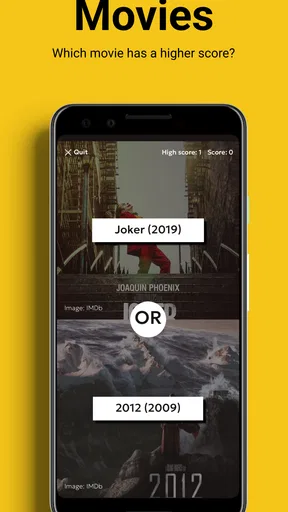
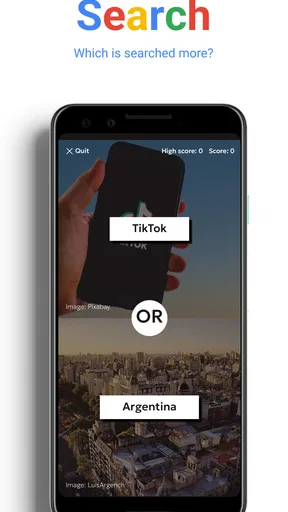
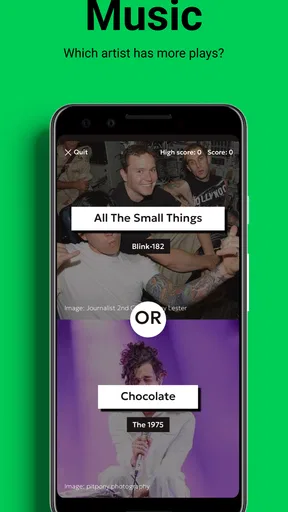
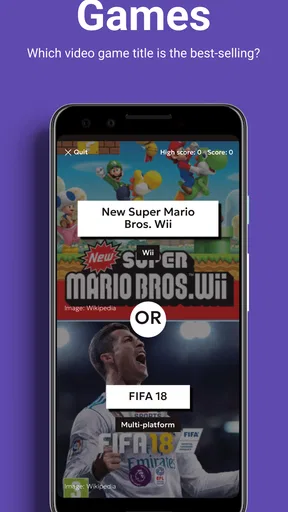
 Analysis by AppCompare
I like trivia games that make me stop and think rather than simply tap through facts I already know. The Higher or Lower Game takes a familiar question— which of two things attracts more searches?—and turns it into a quick test of intuition. It is an easy idea to grasp, but the comparisons can be surprisingly difficult, especially when a familiar name is set against a topic that feels much bigger.
A quick game for curious minds
The basic appeal is its low barrier to entry. You do not need a long tutorial or a specialist knowledge of trivia before you can make a guess. That makes it a natural fit for a short pause: I can pick it up while waiting for a coffee, play a few rounds, and put it away without having to remember a complicated set of rules.
It also works best when you treat each choice as a small debate with yourself. Do I trust what I see in the news, what friends are talking about, or my impression of how widely known a subject is? Those instincts do not always agree. The fun comes from seeing which one I relied on after the answer appears, not from pretending that every result could have been obvious in advance.
The game is a free trivia title from Lacuna 5. Its current version is 14.4.0, and the game first appeared on November 6, 2022. It has an average rating of 4.4 from around 1.2 thousand ratings, with over 100 thousand installs. Those figures suggest that it has found an audience, though they cannot tell me whether its particular mix of comparisons will suit every player.
What playing it actually feels like
So, I downloaded The Higher or Lower Game out of sheer curiosity. It’s available on both Android and iOS, and I have to say, the installation was a breeze—no annoying ads popping up during the download process. Once I opened the app, I was immediately greeted by a simple, yet sleek interface. It’s intuitive enough that you don’t need to be a tech whiz to navigate through the options.
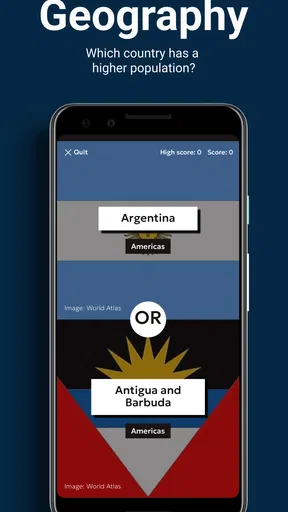
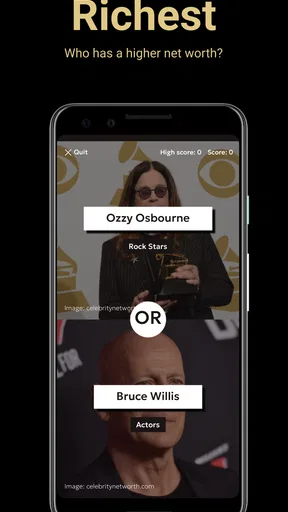
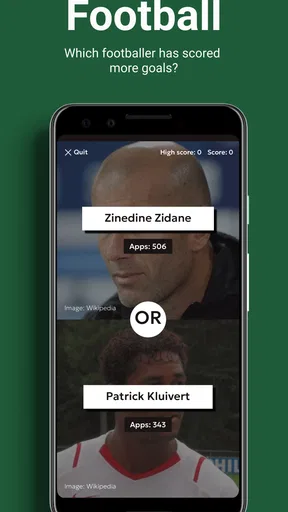
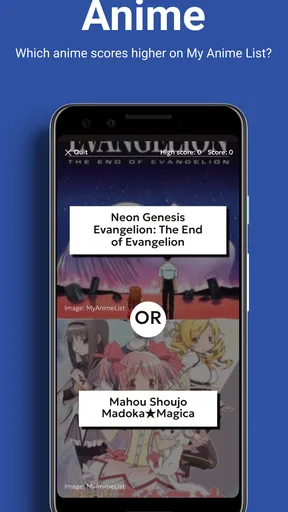
The premise is straightforward: you’re shown two topics or items, and you have to guess which one has been searched more on the internet over a specific period. Sounds easy, right? Well, not so fast. The game throws some real curveballs that can make you question everything you thought you knew about popular culture.
The Gameplay Experience
The game starts off easy, lulling you into a false sense of security. I was breezing through the first few rounds, feeling like a search trend guru. But then, bam! Suddenly, I’m faced with deciding whether "Kanye West" or "climate change" has more searches. It’s not just about knowing what’s trending; it’s about understanding the collective curiosity of the internet.
Worth Reading Before You Choose

Flipboard Shows What News Apps Must Do Beyond the Feed

Switching to Android Auto Means Rethinking Your Driving Routine

Google Calendar Makes a Crowded Week Easier to Manage

Ludo King Makes the Most of the Minutes Between Plans

Baby Panda World Brings Quick Play to Modern Phones, but Its Game Library Feels Busy

ESPN’s Live Game View Makes Following Close Games Easier
Every correct answer earns you a point, and you’re on the edge of your seat trying to beat your high score. It’s a great blend of tension and excitement, making it pretty darn hard to put the phone down. Honestly, if you’re the competitive type, this game will hook you immediately.
Visuals and Soundtrack
The developers have kept the visuals clean and minimalistic, which I appreciate. The focus is clearly on the game itself, without any unnecessary distractions. The colors are vibrant, helping each topic stand out, which is crucial when you’re trying to make a quick decision.
The sound effects are subtle but effective. A little ding for a correct answer and a buzz for a wrong one. It’s simple but adds just enough to keep you immersed. Plus, you can always mute the sound if you’re playing in a public place or need to be discreet during a meeting (not that I recommend it!).
Replayability Factor
What really stands out about The Higher or Lower Game is how replayable it is. With a constantly updating database of search trends, no two games are ever quite the same. This ensures that the game stays fresh and engaging, even after multiple rounds.
It’s perfect for those little pockets of time when you need a quick break or something to do while waiting in line. However, be warned—it’s easy to get sucked in for much longer than you intended!
Social Sharing and Challenges
One of the cool features is the ability to share your scores with friends. You can challenge them to beat your high score, adding a whole new layer of fun. This social aspect makes it more than just a solo activity; it’s a conversation starter and a way to engage with friends, whether they’re sitting next to you or miles away.
Sharing your scores on social media can spark interesting discussions. "Did you know more people search for ‘yoga’ than ‘Netflix’?" It’s these little nuggets of information that make the game not just entertaining, but educational.
Who will enjoy it, and who may not
I would recommend this to people who like casual trivia games, enjoy arguing over pop-culture hunches, or want something that can be played in brief bursts. It is especially good for a pair of friends who can take turns guessing and explain their logic; the conversation around a surprising answer can be more entertaining than the score itself.
It is less suitable if you want a structured quiz with carefully taught facts, a deep campaign, or a reliable way to learn a subject systematically. Search popularity is not the same as cultural importance, factual accuracy, or quality. If you are in the mood to build knowledge through themed questions and explanations, a conventional quiz app may be a better fit. This one is more about instinct, surprise, and seeing whether your mental picture of public interest holds up.
Making a short session work
A useful way to play is to make a prediction before tapping, then name the reason for it: recent news, familiarity, a broad audience, or a guess about how often people look something up. That tiny pause keeps the game from becoming pure reflex and makes a wrong answer more memorable. I also find it helps to play in short sessions rather than chasing a score indefinitely; the quick format is a strength, but it can make “one more round” an easy trap.
For a realistic everyday use, imagine a few minutes before a train arrives. I can play alone to pass the wait, then show a friend a comparison that caught me off guard and let them take the next guess. It suits that kind of informal moment better than a long group activity: people can join briefly, and nobody needs to keep track of a complicated match. In a noisy or shared space, muting the sound is a considerate choice; when I want to focus on the comparisons, I can leave it on.
How it differs from a standard quiz
Most trivia games ask whether I know a fixed answer. This one asks me to estimate relative interest, which makes general knowledge useful but not decisive. A topic I consider important may not be the one people searched more, and a widely recognized name can still lose to a subject with a sudden burst of attention. That distinction is the game’s strongest source of surprise, but it also means I would not use it as a factual reference or treat a result as a complete picture of what people care about.
Compared with a head-to-head quiz built around set rounds, its appeal is immediacy: I can understand the choice and respond without preparing. The trade-off is that players who prefer explanations, categories, or a clear learning path may find the experience thin. I would choose a knowledge-focused quiz for deliberate practice, but this for a quick social challenge or an amusing test of assumptions.
Practical considerations before installing
The game is free to install, but it includes in-app purchases ranging from $1.99 to $59.99 per item. I would check the purchase details on the device before handing it to a child or letting someone else use it, and keep purchase controls in mind if that matters in your household. The content rating is Everyone, and the minimum operating-system requirement is version 12, so it is worth checking device compatibility before trying to install it.
That free entry point makes it easy to try without committing to a purchase, but I would not assume that every optional purchase is necessary for the core appeal. The main decision is whether the comparison format holds your attention. If it does, the game has a simple loop to return to; if it does not, paying for extras is unlikely to fix a mismatch in taste.
What has changed, and what to watch
The release date and current version show that this is not a brand-new title: it began in 2022 and is now at version 14.4.0. That gives existing players a reason to check that they are using the current build, while new players can approach it as an established game rather than a first release. I would not infer a particular feature change from a version number alone, though. What matters in practice is whether the comparisons continue to feel varied and whether the game remains comfortable to use on your device.
For someone returning after a break, the simplest check is to open the game and see whether its current selection still makes you curious; for a first-time player, a handful of rounds is enough to judge whether guessing search popularity feels engaging or arbitrary. I would keep an eye on how often I encounter familiar subjects, how fair the comparisons feel, and whether I still want to share a surprising result. Those are more useful signs of lasting appeal than expecting every update to change the basic idea.
Final Thoughts
In conclusion, if you’re looking for an app that’s both challenging and fun, The Higher or Lower Game is a must-try. It’s perfect for trivia lovers, internet addicts, or anyone who enjoys a good guessing game. The simplicity of its concept is its greatest strength, making it accessible to a wide audience.
Whether you’re playing solo or challenging friends, this game promises endless entertainment. Just be prepared for those "I can’t believe that had more searches!" moments—they’re part of the charm. So go ahead, download it and see if you can beat the internet!
Pros
- Simple and intuitive gameplay.
- Quick rounds keep users engaged.
- No login required to play.
- Great for improving trivia skills.
- Appealing minimalistic design.
Cons
- Limited variety of questions.
- Repetitive after extended play.
- Ads can be intrusive.
- No multiplayer mode available.
- Requires constant internet connection.
FAQs for The Higher or Lower Game
What is The Higher or Lower Game about?
The Higher or Lower Game is a simple yet addictive trivia-style game where players must decide whether a search query has higher or lower search volume compared to another. It's based on real-world data, making it both educational and entertaining as you guess search interest trends.
Is The Higher or Lower Game free to play?
Yes, The Higher or Lower Game is free to download and play on both Android and iOS devices. However, it may contain in-app purchases or advertisements that can enhance the gaming experience, such as removing ads or gaining additional hints.
Does The Higher or Lower Game require an internet connection?
Yes, The Higher or Lower Game requires an active internet connection. This is necessary to access the most up-to-date search data, which is essential for the game's core functionality. Without a connection, you may not be able to play the game effectively.
Can I play The Higher or Lower Game with friends?
While The Higher or Lower Game is primarily a single-player experience, players can challenge friends by sharing their scores and competing to see who can get the highest streak. Some versions might offer multiplayer modes or leaderboards for more interactive gameplay.
What kind of data does The Higher or Lower Game use?
The Higher or Lower Game utilizes real-world search data to create its trivia questions. This data is sourced from popular search engines and reflects actual search trends. However, the game does not store personal data from users, ensuring privacy and security.


